The most common Australia mistake is trying to see too much. Here is how many days each region really needs, three sample itineraries, and the distances and bookings that shape every plan.
How many days do you need in Australia?
For a first trip, plan on 10 days for two regions or 2 to 3 weeks for three or four. A week works for Sydney alone, as long as you accept that you are sampling, not covering, the country.
The rule of thumb that holds up: give each region at least four full days on the ground, not counting the days you fly in and out.
| Region | Minimum | Comfortable | Why |
|---|---|---|---|
| New South Wales | 4 days | 5 to 7 days | Sydney, the beaches and the Blue Mountains each need a day |
| Queensland | 5 days | 6 to 8 days | The outer reef and the Daintree are both long days |
| Northern Territory | 4 days | 7 days | Long drives; best split between Uluru and Kakadu |
| Tasmania | 4 days | 5 to 7 days | Hobart, Freycinet and Cradle Mountain are far apart |
Western Australia and Victoria each need four to seven days of their own.
Why should you plan one region for every five days?
Every region change costs you most of a day. You check out, return the rental car, get to the airport, fly, collect bags, pick up another car and check in again. Even the flight is long; everything around it is longer.
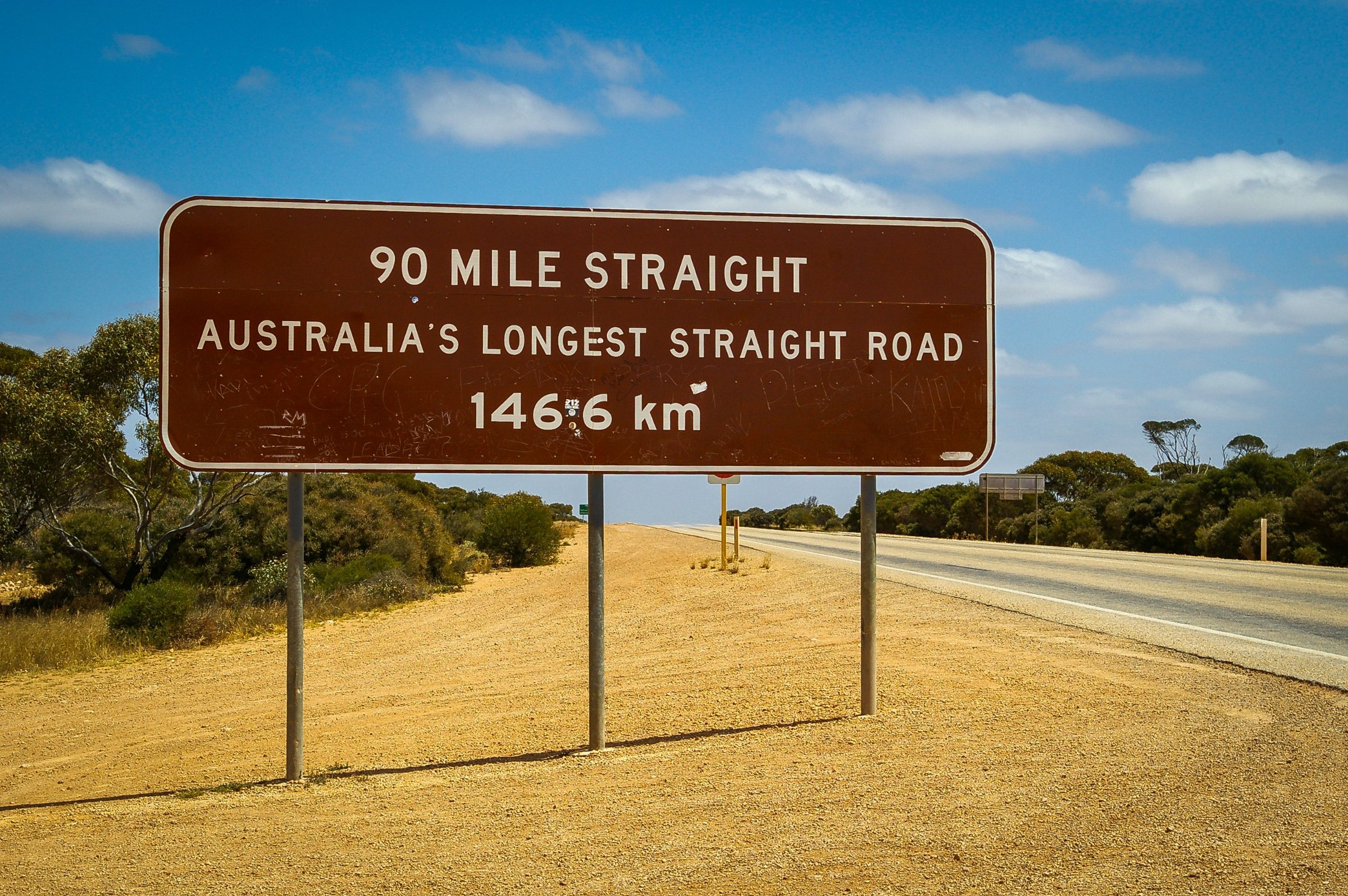
Australia is roughly the size of the mainland United States. Sydney to Perth is about 5 hours by air, Sydney to Cairns about 3. Driving between regions takes days.
Hopping every two or three days turns a holiday into a logistics exercise. Staying put lets you swap days around when the weather shifts, which it will.
How long is the flight to Australia, and how bad is the jet lag?
Nonstop flights to Sydney take roughly 15 hours from Los Angeles. From London, Qantas flies nonstop to Perth in just over 17 hours; most other routes from Europe connect in Asia or the Gulf.
Australia has three main time zones: UTC+10 in the east, +9:30 in the centre and +8 in the west. NSW, Victoria, Tasmania and SA use daylight saving from October to April; Queensland, the NT and WA do not.
Jet lag after a long-haul flight is real: you may wake very early, which suits sunrise walks and calm morning snorkelling. Keep your arrival day light and do not book anything that starts before dawn on day two if you came from Europe.
What does a 10-day Australia itinerary look like?
- Days 1 to 3: Sydney: harbour, Opera House, Bondi to Coogee walk.
- Day 4: Manly and the Northern Beaches, or a day in the Blue Mountains.
- Days 5 to 6: Fly to Uluru (about 3 to 3.5 hours): sunset, then the base walk at sunrise and Kata Tjuta.
- Days 7 to 9: Fly to Cairns: an outer reef day, then Port Douglas and the Daintree.
- Day 10: Beach morning, then the airport.
Ten days in Australia leaves no room for the west or Tasmania. Resist the urge. The two domestic flights, the reef trip and your Uluru park pass shape the whole plan, so lock in those first and build the rest of the trip around them.
What can you do with 2 weeks in Australia?
The east coast and the Red Centre in 2 weeks:
- Days 1 to 4: Arrive in Sydney, base yourself near the harbour or at Bondi or Manly.
- Day 5: Blue Mountains day trip. Jet lag will have you up early anyway.
- Days 6 to 7: Fly to Melbourne for laneways, food and the city.
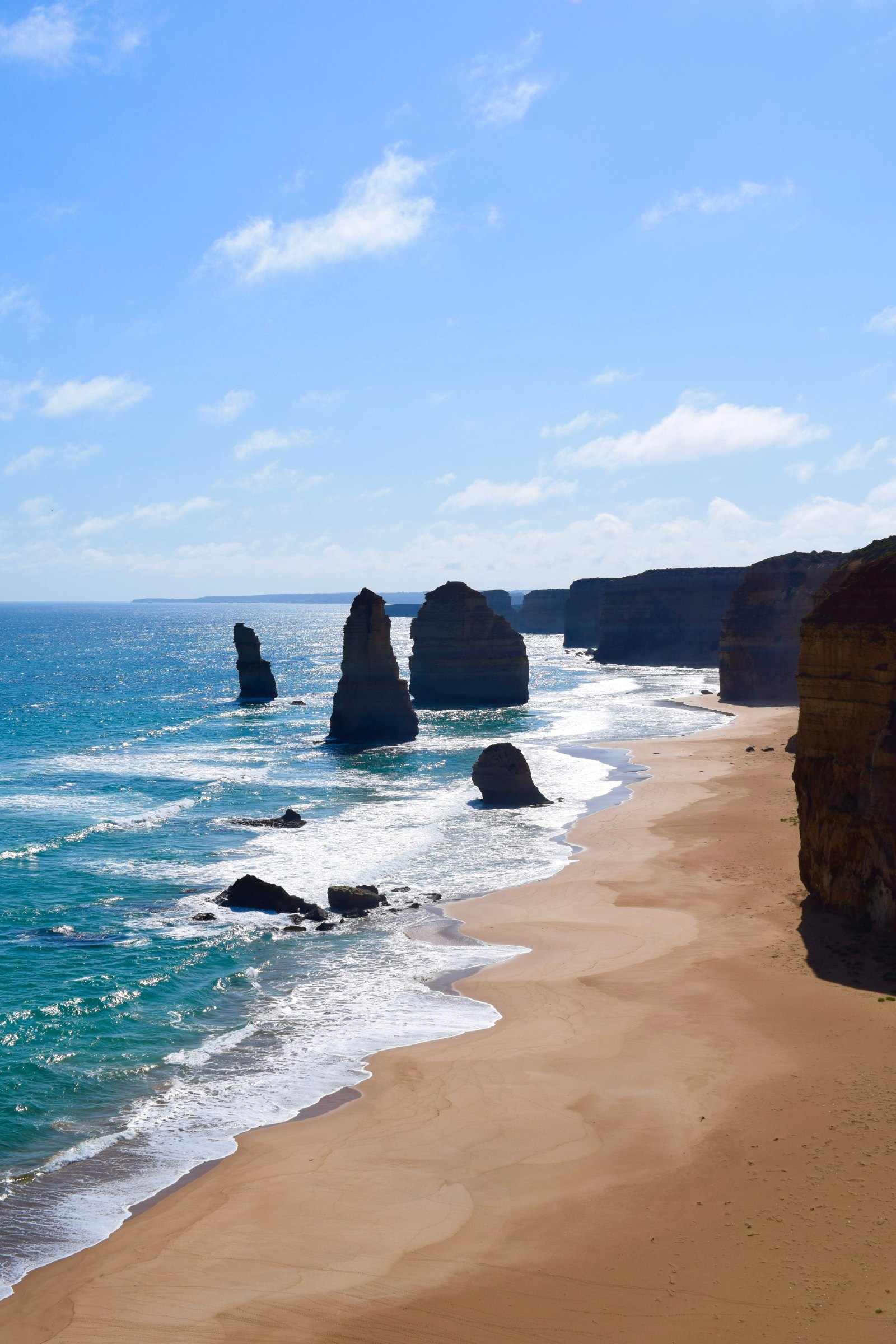
- Day 8: Great Ocean Road to the Twelve Apostles, a long day.
- Days 9 to 10: Fly to Uluru, with sunrise and sunset at the rock.
- Days 11 to 13: Fly to Cairns for the reef and the Daintree.
- Day 14: Departure.
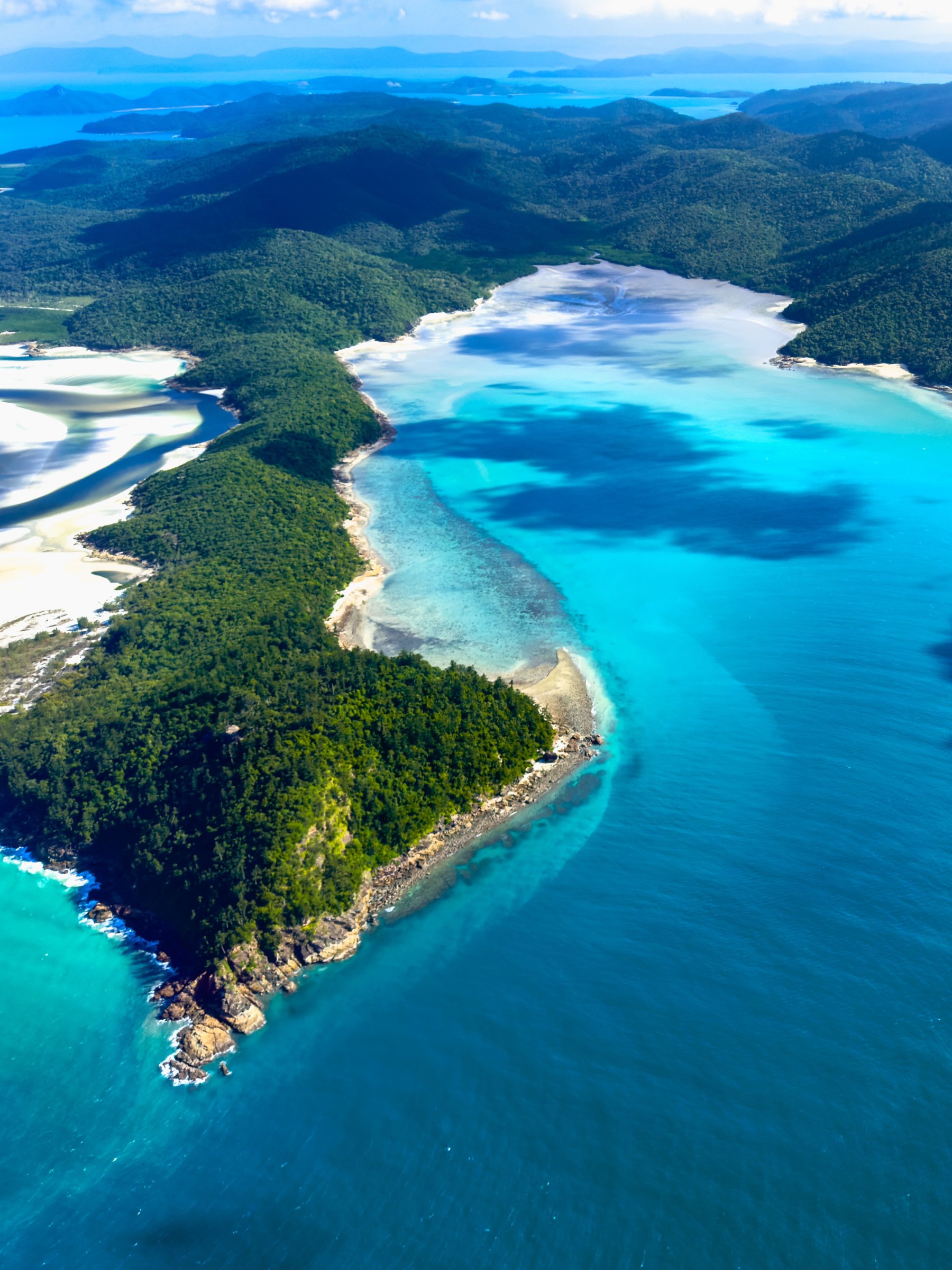
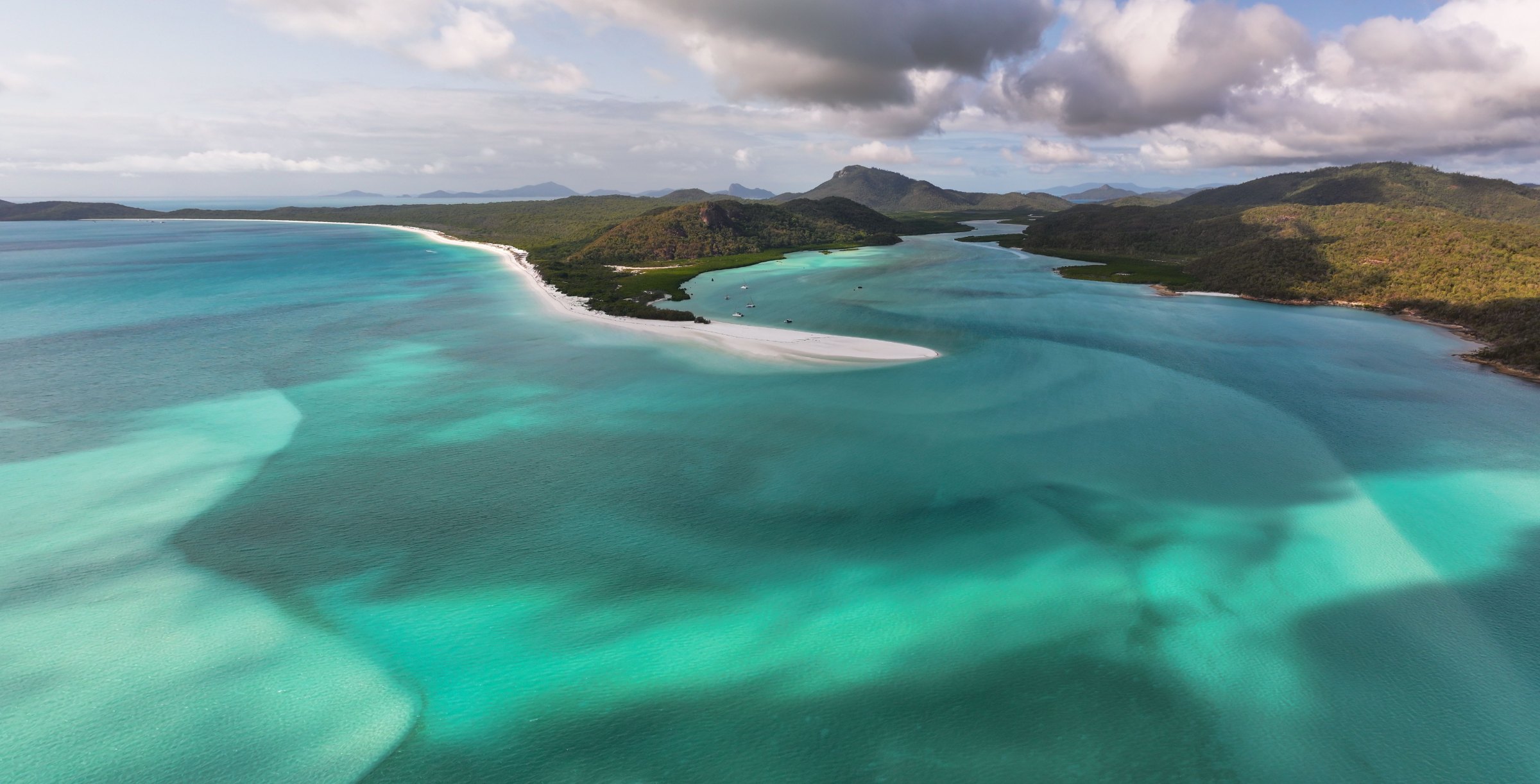
Slower 2 weeks: follow the ten-day plan, then add the Whitsundays (Airlie Beach, Whitehaven) and one day with nothing booked.
How do you split 3 weeks between regions?
3 weeks, four regions: Sydney, Uluru, Queensland, then Tasmania or WA. Put the busy city first and the slower region last, so the trip winds down rather than speeding up.
- Days 1 to 9: Sydney, Uluru and Cairns, using the ten-day plan above minus the final morning.
- Day 10: Fly to Hobart or Perth.
- Days 11 to 20: Freycinet and Cradle Mountain in Tasmania, or Margaret River and Ningaloo in WA.
- Day 21: Fly home.
3 weeks, slower: Sydney (5 nights), Queensland (7) and the NT (7). In the Top End, split your nights between Darwin and Kakadu, about 250 km apart, rather than commuting.
Check whether you can fly between regions directly. Some routes run nonstop, others connect through Sydney or Melbourne, and that can turn a 3-hour hop into a full day.
Which distances do you need to know?
- Great Ocean Road, Victoria: about 240 km (150 mi) from Torquay to Allansford near Warrnambool, built by returned soldiers as a war memorial. The Twelve Apostles sit near the western end. Treat it as a full day, or better, two.
- Red Centre: Alice Springs to Uluru is about 468 km, or 5 hours; Yulara to Kings Canyon about 324 km, or 3.5 hours. Flying straight into Ayers Rock Airport saves a full day, which is why most short trips start there.
- Tropical north: Cairns to Port Douglas is 66 km, about an hour. Port Douglas to Cape Tribulation is about 84 km, 2.5 to 3 hours with the Daintree River ferry. Darwin to Kakadu's visitor centre is 250 km.
- Sydney: the Blue Mountains are an easy day trip, but driving on to Melbourne takes about 9 hours.
Which Australia bookings should you make ahead?
- Electronic Travel Authority (ETA): most visitors need a visa before they fly. The ETA is applied for only through the Australian ETA app, costs AUD 20, and the outcome usually arrives within 72 hours. Eligible European passport holders can apply for a free eVisitor instead.
- Uluru-Kata Tjuta: adults need a park pass, $38 for three days, best bought online.
- Uluru flights and rooms: Yulara has limited beds and flights, and the dry season sells out fast.
- Overland Track: a booking is required from 1 October to 31 May, at $312 per adult. Bookings open on the first Tuesday in July, through a waiting room and random queue.
- Spirit of Tasmania: the Geelong to Devonport car ferry sells out in summer and school holidays. New ships are due to take over the route from late 2026, so check the latest schedule before you plan around it.
- K'gari: every vehicle needs a vehicle access permit before you board the barge.
How do you avoid overplanning an Australia trip?
- Book one big thing per day. Sunrise, a long drive or a reef trip is enough. Fill the rest with beach time.
- Leave a buffer day in every region for rain, rough seas or tired legs.
- Do not stack the reef and the Daintree on back-to-back days.
- Plan by coast, not by list. Group stops by area to cut driving.
- Do not book a domestic flight on your departure day if you can avoid it. A delay can cost you the flight home.
- Allow for the airport, not just the flight. Check-in cut-offs on domestic flights are earlier than many visitors expect, and you still have a rental car to return first.
- Eat where you sleep. Driving back across the region for one restaurant rarely pays off.
Facts checked October 2026. Booking windows, access and park status in Australia change often; confirm with Home Affairs, Parks Australia and the state park services before you travel.
- Tourism Australia: Flight times to Australia's iconic destinations
- Time and Date: Australia's time zones and daylight saving
- Australian Government: Electronic Travel Authority (ETA)
- Parks Australia: Uluru-Kata Tjuta park passes
- Parks and Wildlife Service Tasmania: Overland Track FAQs
- Pulse Tasmania: Overland Track bookings for 2026/27
- Parks Australia: Where is Kakadu?
- Premier of Tasmania: Spirit of Tasmania IV and V tickets