Victoria is small by Australian standards and packed with variety. Melbourne, its capital, is the country's food and coffee city; within a few hours lie the Great Ocean Road, a nightly parade of penguins, the sandstone ranges of Gariwerd and the granite coast of the Prom.
Melbourne
Melbourne grew rich in the gold rush of the 1850s, and its grand Victorian streets still show it. The Royal Exhibition Building in Carlton Gardens is World Heritage-listed, and the Melbourne Cricket Ground, the MCG, is the spiritual home of Australian rules football, holding about 100,000 people.
The real city lives in its laneways and arcades, with tiny espresso bars, street art and restaurants hidden behind plain doors, and a free tram zone loops the city centre.
Phillip Island
About 90 minutes' drive from Melbourne, Phillip Island is home to roughly 40,000 little penguins, the largest colony in the world. Every evening at sunset they waddle ashore in small groups at the Penguin Parade, run by Phillip Island Nature Parks. Book ahead, arrive early, dress warmly, and leave the camera away: photography is not allowed at the parade.
The Great Ocean Road and the Twelve Apostles
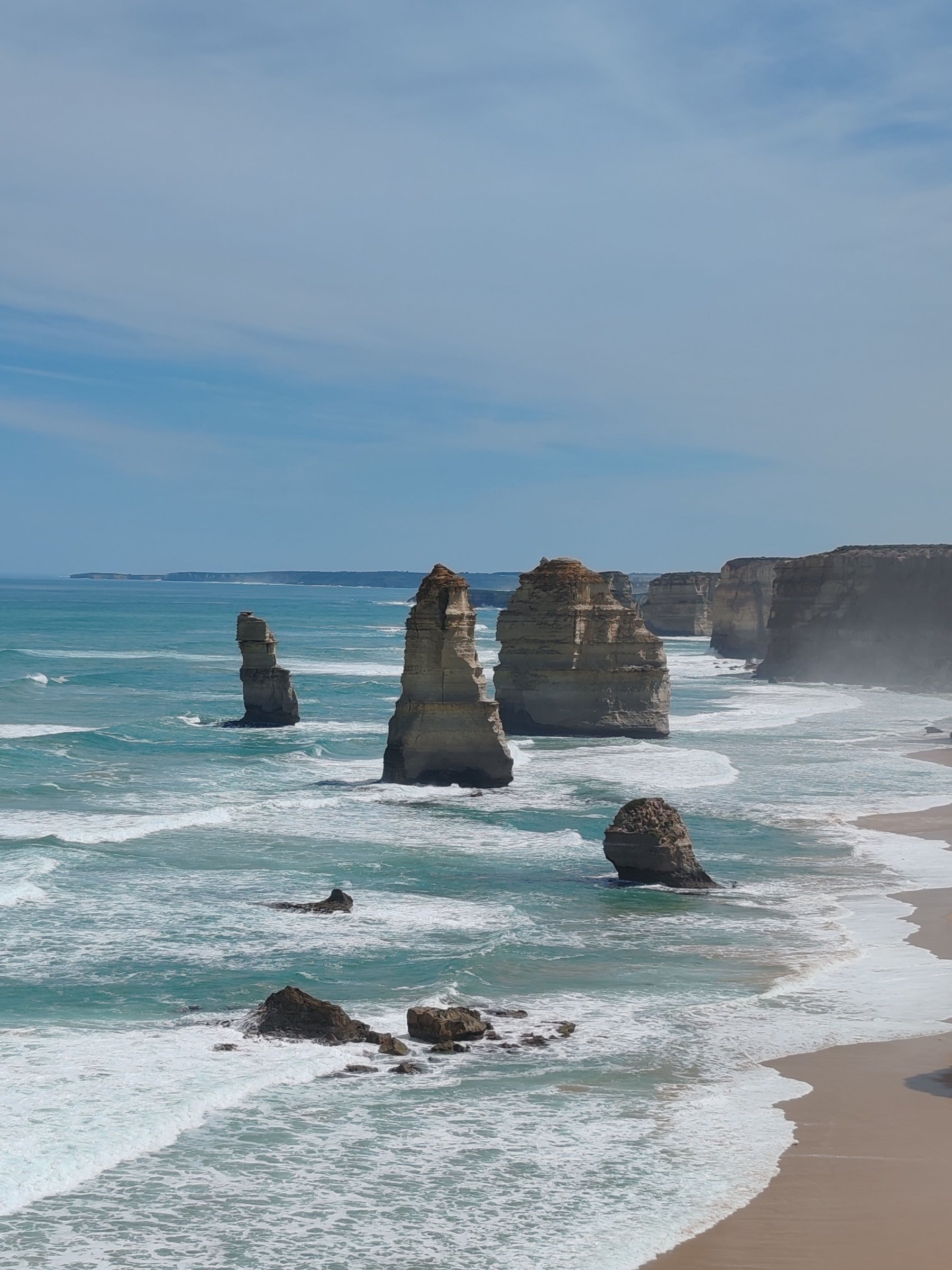
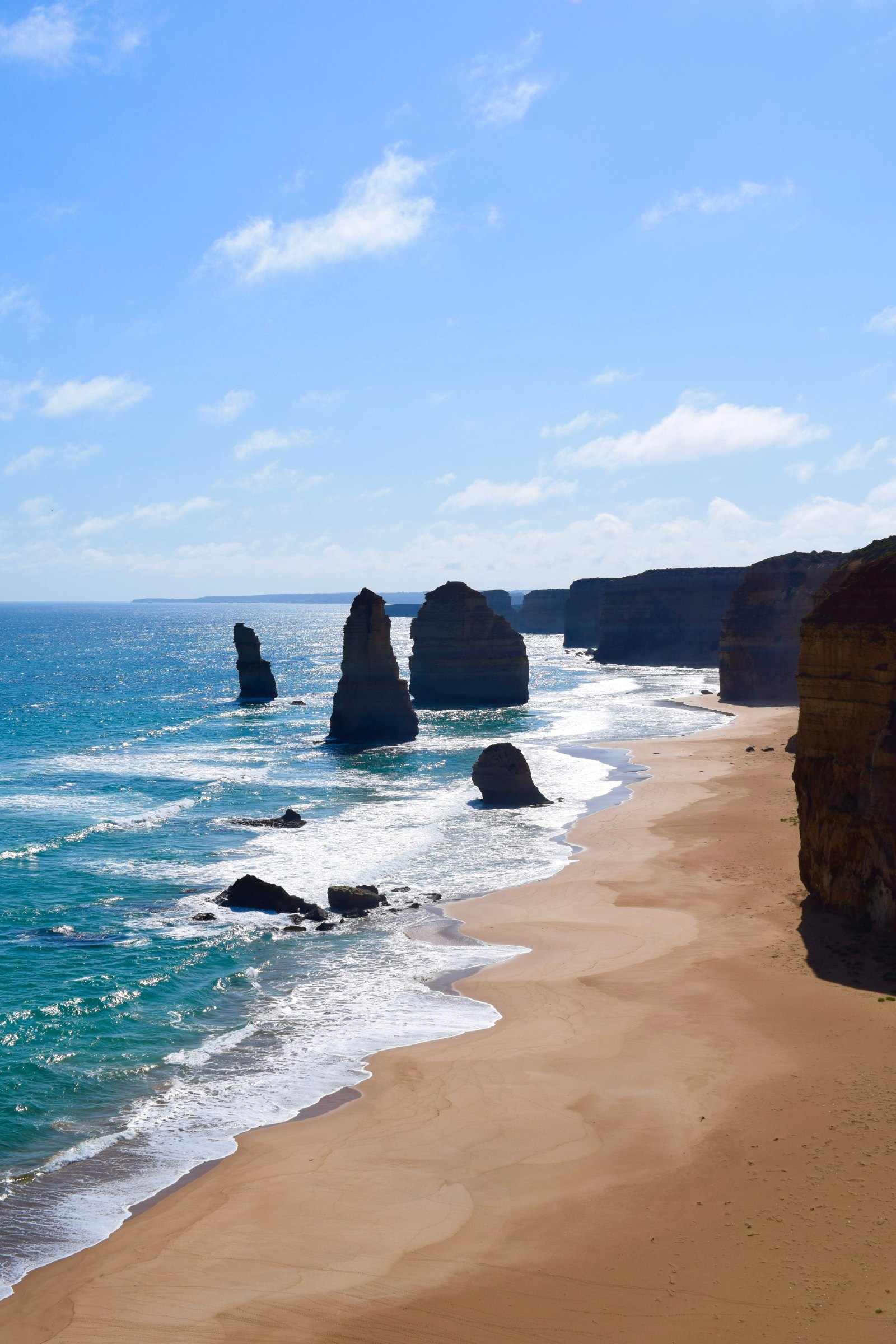
The Great Ocean Road runs for about 240 kilometres from Torquay towards Warrnambool. Some 3,000 returned servicemen built it by hand between 1919 and 1932, and it is dedicated to those killed in the First World War, making it the world's largest war memorial. In Port Campbell National Park the limestone stacks of the Twelve Apostles rise up to 50 metres from the sea; waves have toppled several, so only a handful still stand.
Gariwerd and Wilsons Prom
Grampians (Gariwerd) National Park holds the largest concentration of Aboriginal rock art in southern Australia, plus lookouts like the Pinnacle and the 164-kilometre Grampians Peaks Trail. Wilsons Promontory, about three hours from Melbourne, is the southernmost tip of the mainland; in summer, book all camping at Tidal River ahead.